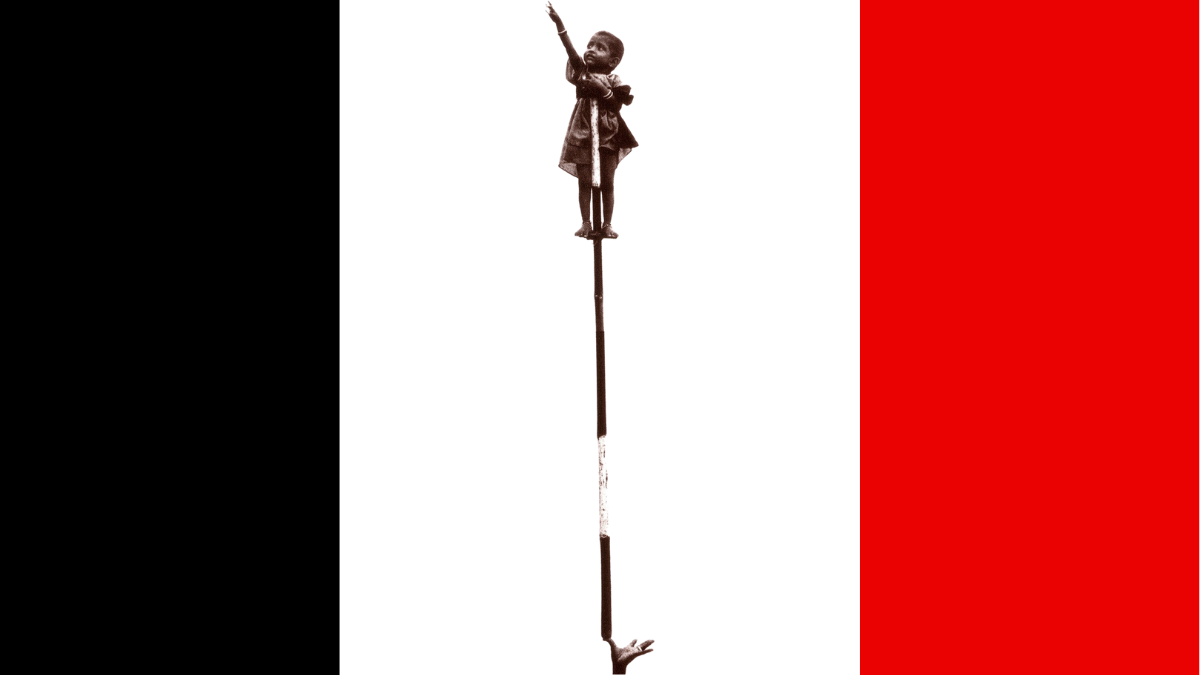
A Fine Balance by Rohinton Mistry
-
Mistry deliberately leaves the Prime Minister and 'the City by the Sea' unnamed, even though they are clearly Indira Gandhi and Mumbai. How did this choice affect your reading? Do you feel this anonymity adds depth to the story, or does it distance you from the historical reality?
The novel gives a vivid picture of life for members of the untouchable caste in remote villages. In your opinion, what allowed this system to survive so far into the modern age? Do you think such a caste system is unique to India, or do you see reflections of it in other societies?
Om and Ishvar initially view Dina as an exploitative middleman who lives off the labor of others. Do you agree with their assessment? Do you think such middlemen make money immorally?
The novel is set against a backdrop of intense religious and ethnic conflict, from the Hindu-Muslim violence of Partition to the targeting of Sikhs following the Prime Minister’s assassination. Despite this climate, how are the relationships between the four main characters shaped or affected by their different religious and ethnic identities?
In the novel, characters like Narayan and Avinash actively involve themselves in politics, while others like Dina and Maneck choose to distance themselves from it. In your opinion, who made the better choice? What is Mistry suggesting about political engagement, given the ultimate fates of these characters?
The sore-throated proofreader and chant-writer, Vasantrao Valmik, appears at key moments to offer perspective to Maneck and Dina. What do you think is his broader role or purpose in the novel?
Do you think A Fine Balance features a true villain? Are characters like Nusswan, Rajaram, and Beggarmaster portrayed as villains, or does that title belong to someone like Thakur Dharamsi?
While most people in the novel are indifferent or hostile to the Prime Minister and the Emergency, characters like Mrs. Gupta and Nusswan actively support her policies. What does this endorsement reveal about these characters, and what does it indicate about the nature of the Prime Minister’s regime
Contrast the endings of the four main characters: Om, Ishvar, Dina, and Maneck. What do you think determines who manages to survive, and who does not?
What do you think the title A Fine Balance refers to? Given the tragic nature of the story, do you see the novel itself as maintaining a balance between hope and despair, or does it ultimately tip into cynicism?