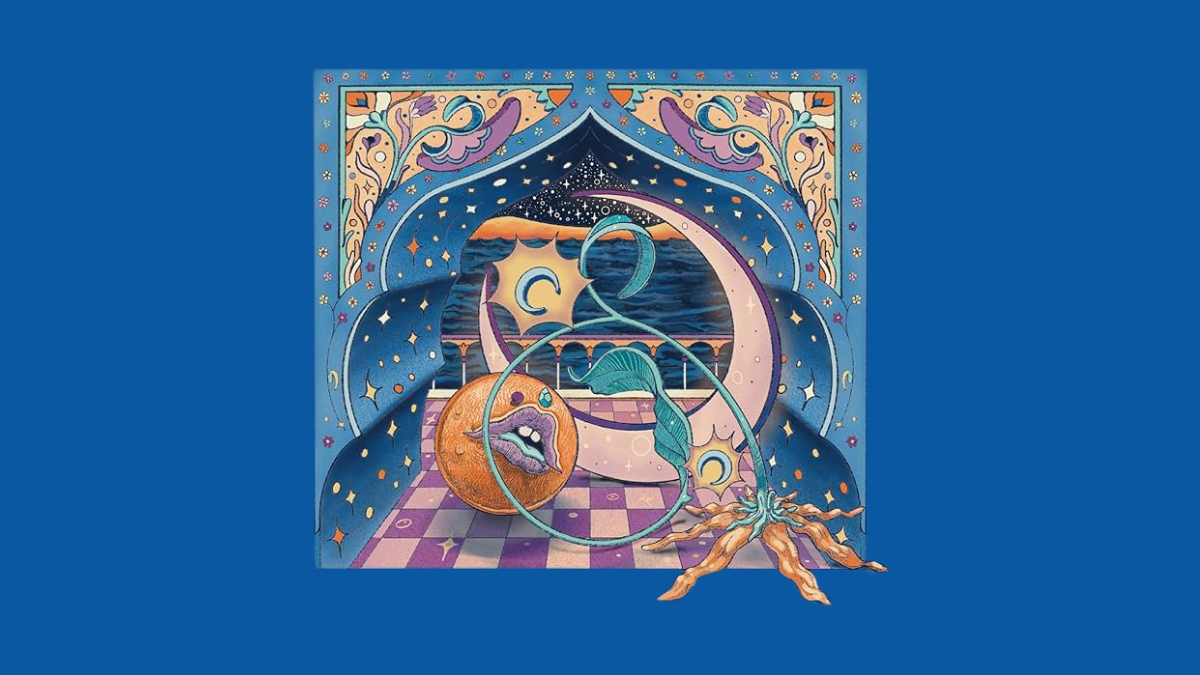
discussion questions - Arabian Nights and DAys by NAguib Mahfouz
-
Arabian Nights and Days begins after the “happily ever after” of the original One Thousand and One Nights. How fulfilled do Shahrazad and Sultan Shahriyar appear when we first encounter them? Why do you think Mahfouz chose to portray them this way?
Genies, or ifrits, play a central role in many of the stories in Arabian Nights and Days. What do you think they represent? Are they meant to be literal supernatural beings, manifestations of the characters’ inner desires, or agents of fate?
Although genies are equally influential in Arabian Nights and Days, their actions and motivations vary significantly. How are genies like Qumqam and Singam different from Sakhrabout and Zarmabaha, for example?
Sanaan al-Gamali is the first person in the city to be haunted by a genie, Qumqam, who commands him to kill the governor of his quarter. How does Sanaan respond to this ordeal, and how do his choices help set the tone and direction of the story?
Gamasa al-Bulti, initially the city’s chief of police, undergoes multiple transformations after freeing the ifrit Singam—first becoming Abdullah the porter, and later transforming into the Madman. How do these transformations reshape his character and identity, and what role does he ultimately play in the novel? How does the novel use madness as a lens for truth or critique?
The figure of Sheikh Abdallah represents a spiritual path rooted in love and devotion. How does his influence shape those around him, and does the novel ultimately present his approach as effective or idealistic?
In the stories of Fadil’s cap of invisibility and Ma’arouf’s ring of Solomon, Naguib Mahfouz explores the corrupting effects of power. How does each character respond to his sudden access to power, and where do their choices ultimately lead them?
Through the stories of the False Sultan, inspired by Aladdin’s wrongful execution, and Ma’arouf’s rise to power, how does the novel explore the relationship between justice and authority? Does Mahfouz suggest that true justice can only emerge from the powerless, and how does he critique institutional power?
How does Sultan Shahriyar evolve throughout the novel, and what does his transformation suggest about power, guilt, and redemption?
The narrative feels episodic, like a collection of vaguely interconnected stories. Did this structure enhance or weaken your engagement with the novel?